


Key Takeaways
- AI content authenticity is increasingly challenging to determine due to advanced AI tools that create realistic visuals.
- Traditional cues for credibility are fading, making it harder to assess whether images and videos reflect reality.
- Creators’ uniqueness may gain more value as personal voice matters more than visual quality in AI-generated content.
- Public sharing shifts toward casual, unpolished content, diminishing the role of polished visuals in engagement.
- Platforms need to enhance trust by providing context about creators, possibly via cryptographic signing and consistent identity.
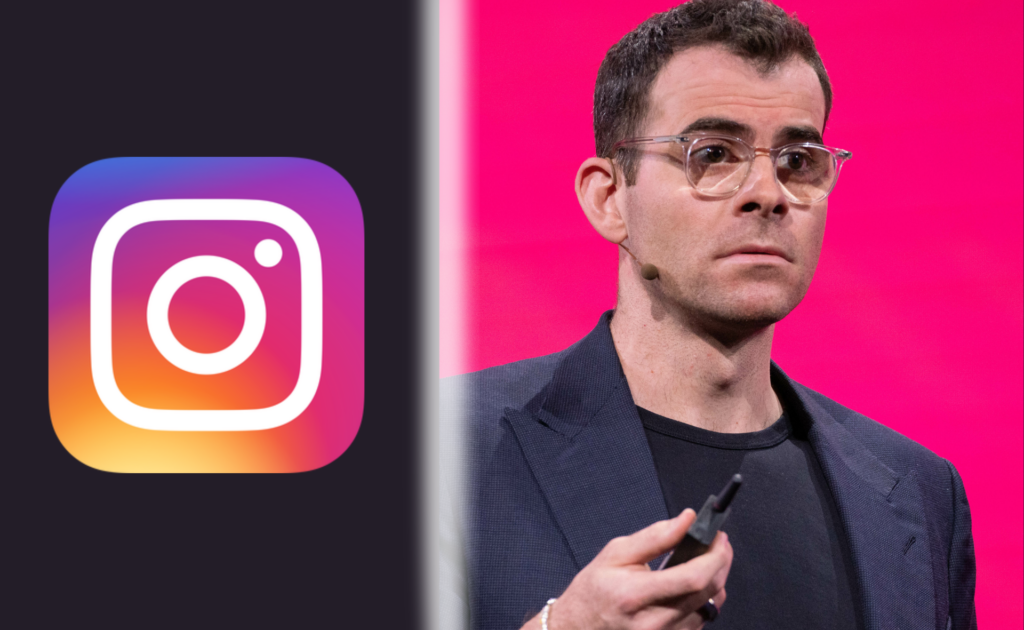
AI content authenticity is becoming harder to judge online. Instagram CEO Adam Mosseri shared these views in late 2025. He discussed how artificial intelligence is changing trust, visual media, and content evaluation on Instagram and Threads as 2026 approaches.
AI content authenticity and visual trust
Mosseri said AI tools now allow many users to create realistic images and videos. He explained that traditional visual cues used to judge credibility are losing reliability. AI systems can replicate styles that once signaled real experiences. This makes it harder to know whether visual media reflects reality.
He stated that AI generated visuals will continue to improve. Current imperfections that signal authenticity may disappear. He said even rough or unpolished styles may soon be accurately copied. As a result, AI content authenticity becomes more difficult to assess using appearance alone.
How it affects creators
Mosseri said this shift may increase the value of unique creators. He explained that relevance may depend more on who creates content rather than how it looks. Personal voice and consistent identity may matter more than production quality. AI content authenticity may rely on individual recognition instead of visual traits.
He added that originality tied to a specific person could become more important. Content may gain value when it reflects a known creator rather than a generic style.
Changing sharing behavior
Mosseri said public photo feeds no longer reflect how people share personal moments. He noted that private messages now carry most personal content. Sharing often includes blurry images, casual videos, and everyday scenes.
He explained that polished visuals no longer drive engagement. Creating detailed visuals is now easy due to AI tools. Imperfection has become a signal of real experience. However, Mosseri said AI may soon replicate flaws as well. This would further challenge AI content authenticity.
Future signals for AI content authenticity
Mosseri said users may increasingly doubt what they see online. Platforms plan to continue labeling AI generated content. He also mentioned cryptographic signing at capture as a possible method to verify real media.
He said labels alone may not solve trust issues. Platforms may need to provide more context about creators. Trust may depend on consistency, transparency, and established identity. Mosseri compared this shift to earlier internet changes that shifted power toward individuals rather than institutions.