


Key Takeaways
- YouTube auto dubbing expressive speech enhances multilingual translation with AI-created audio tracks in 27 languages.
- The feature maintains tone and emotion in dubbed audio, closely matching the original performance.
- Viewers can choose their preferred dubbed language or listen in the original language.
- YouTube tests AI-based lip sync technology and offers smart filters for creators to manage dubbing.
- These updates support YouTube’s commitment to developing AI-powered accessibility tools.
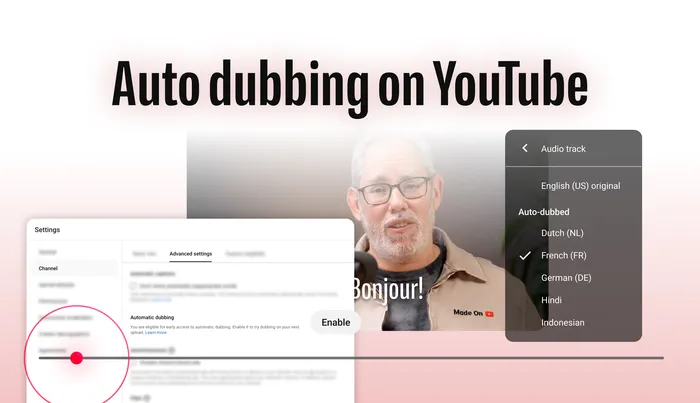
YouTube auto dubbing expressive speech is part of a new update announced by YouTube to improve multilingual video translation. The feature uses artificial intelligence to create dubbed audio tracks in multiple languages. The goal is to help videos reach wider global audiences. The update builds on YouTube’s existing auto-dubbing system.
YouTube confirmed that auto-dubbing is now available to all creators on the platform. The system currently supports 27 languages. YouTube reported that more than six million viewers watch at least ten minutes of auto-dubbed content each day.
YouTube Auto Dubbing Expressive Speech Preserves Tone and Emotion
The YouTube auto dubbing expressive speech feature introduces a new capability called Expressive Speech. This technology is designed to maintain a speaker’s tone, pacing, and emotional delivery during translation. It aims to make dubbed audio closer to the original performance.
Expressive Speech is initially available in eight languages. These include English, French, German, Hindi, Indonesian, Italian, Portuguese, and Spanish. YouTube stated that additional languages will be added over time as the system develops.
YouTube Auto Dubbing Expressive Speech Adds Viewer Language Controls
Alongside YouTube auto dubbing expressive speech, a new Preferred Language setting has been launched for viewers. This setting allows users to choose which language they want for dubbed audio. Viewers can also choose to listen to videos in the original language instead of a translated track.
YouTube may automatically select dubbed languages based on viewer preferences. The setting applies across supported content and helps personalize playback experiences.
YouTube Auto Dubbing Expressive Speech Introduces Creator and Lip Sync Updates
YouTube is also testing AI-based lip sync technology. This feature adjusts on-screen mouth movements to better match translated speech. The test is part of a pilot program and is not yet widely available.
For creators, YouTube added smart filters that detect videos unsuitable for dubbing, such as music-only content. Creators can disable auto-dubbing or upload their own translated audio tracks.
These updates are part of YouTube’s ongoing development of AI-powered accessibility tools.
Source: https://blog.youtube/news-and-events/youtube-auto-dubbing-expressive-speech/