

Key Takeaways
- YouTube likeness detection tools identify AI-generated videos that imitate a person’s appearance.
- The system compares uploaded videos with verified identity data from users to flag potential impersonations.
- Only participants who verify their identity can access these tools, which are available to public figures and the YouTube Partner Program.
- Users review flagged content before submitting complaints, as videos aren’t automatically removed without a request.
- Future updates may address AI-generated voice impersonations, reflecting concerns about digital likenesses.
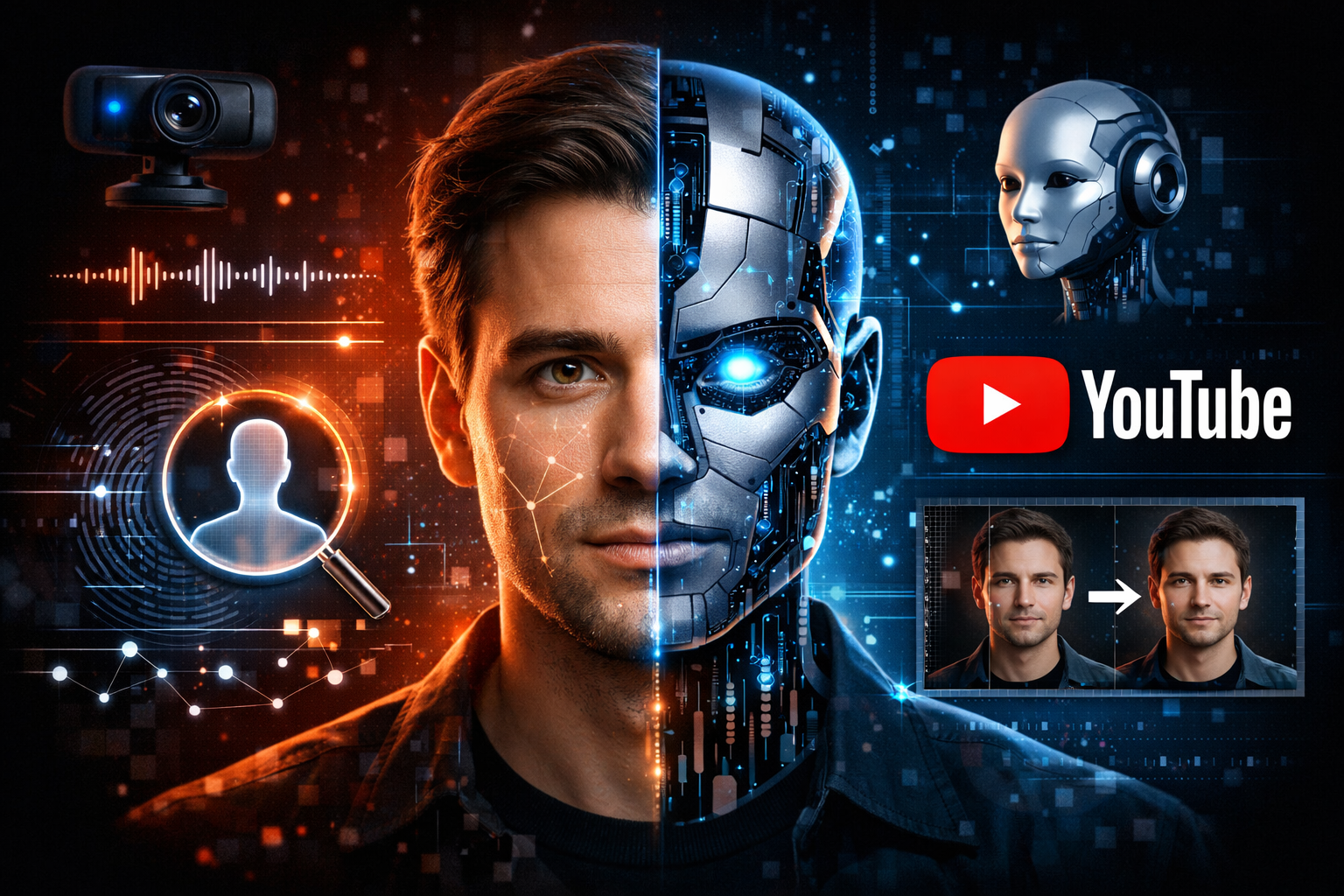
YouTube likeness detection tools are being expanded to help detect videos that imitate a person’s appearance using artificial intelligence. The system is designed to identify AI-generated content that copies a person’s face or visual identity. The feature is part of YouTube’s efforts to address the growing use of deepfake technology on the platform. The company aims to provide individuals with a way to find and report videos that misuse their likeness.
The technology scans uploaded videos and compares them with verified identity data from participating users. If the system detects possible impersonations, the results appear in a monitoring dashboard. The feature allows individuals to review flagged content and decide whether to submit a complaint.
How YouTube Likeness Detection Tools Work
The YouTube likeness detection tools operate similarly to the platform’s Content ID system. Content ID identifies copyrighted audio and video. The new system instead searches for visual matches to a person’s face.
Participants must first complete an identity verification process. This process includes submitting government-issued identification and recording a short facial video. The system then uses this information as a reference for scanning new uploads.
Once verification is complete, users can access the “Content Detection” section inside YouTube Studio. A dedicated “Likeness” tab lists videos that may contain an AI-generated version of the participant.
Who Can Access YouTube Likeness Detection Tools
Access to YouTube likeness detection tools initially focused on members of the YouTube Partner Program. The company later expanded availability to additional groups.
The rollout now includes politicians, journalists, government officials, and other public figures. These individuals are often targeted by impersonation campaigns or deepfake content.
YouTube requires identity verification to ensure that only the person represented can use the detection system. The verification process helps prevent false claims against legitimate videos.
How YouTube Likeness Detection Tools Handle Deepfake Complaints
When YouTube likeness detection tools flag a video, the system does not automatically remove the content. The participant must first review the detected video and submit a request if they believe it misuses their identity.
YouTube evaluates each complaint according to its privacy policies. The platform considers several factors before deciding whether to remove a video. Content that falls under parody, satire, or commentary may remain available.
The company has indicated that the current detection system focuses mainly on facial likeness. Future updates may include tools to identify AI-generated voice impersonations. The expansion reflects increasing concerns about AI tools that can create realistic digital replicas of individuals.
Source: https://www.socialmediatoday.com/news/youtube-expands-access-to-likeness-detection-tools/814387/
