

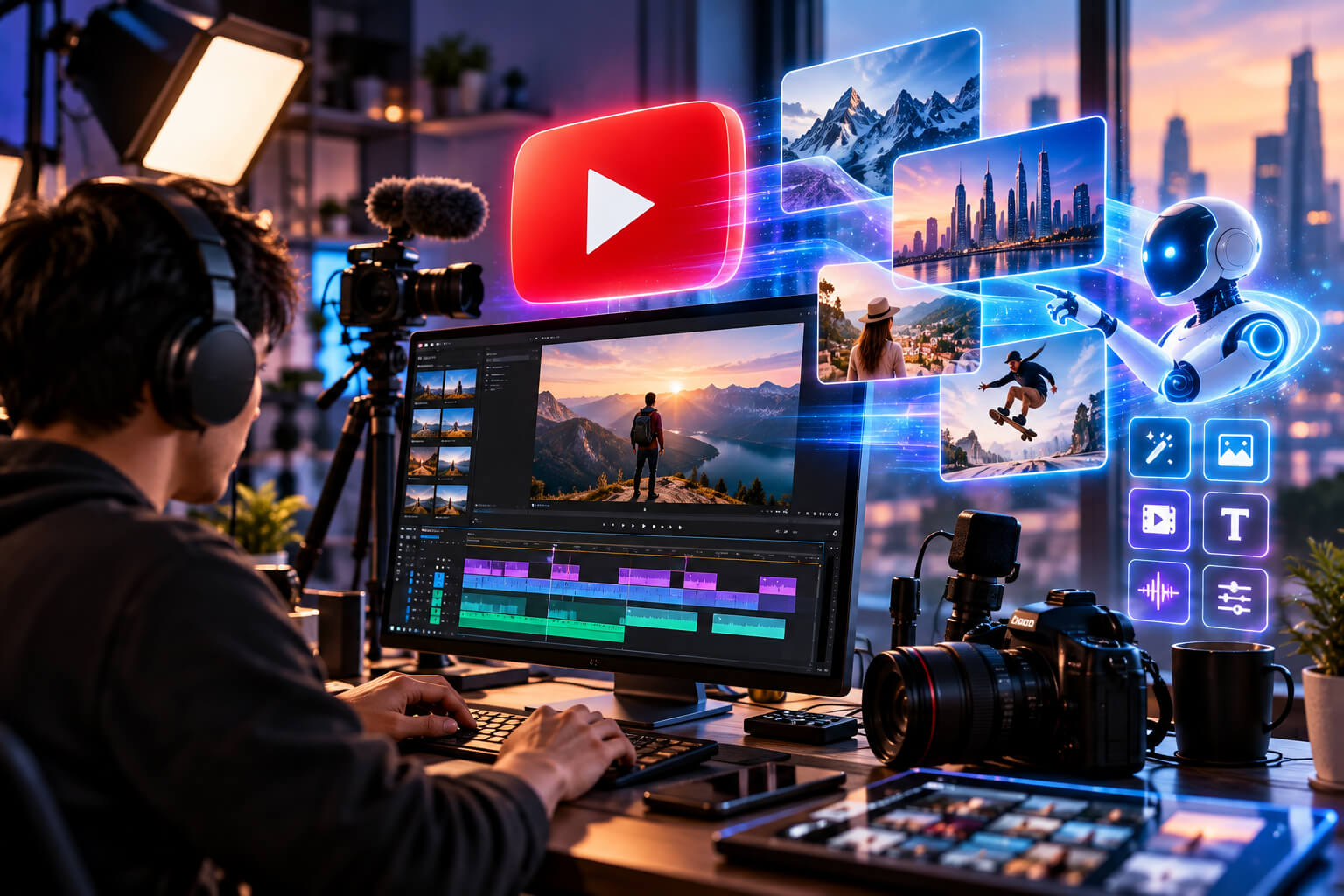
Artificial intelligence is becoming a regular part of online video creation. YouTube’s latest research offers a closer look at how creators use generative tools to produce videos, explore personal identities and experiment with new forms of storytelling.
According to findings from YouTube’s Culture & Trends research, 72% of surveyed video uploaders aged 14 to 44 reported using AI on videos or images. The results suggest that artificial intelligence is moving beyond simple editing assistance and becoming part of everyday digital creativity.
The October 2026 research, titled Human Creativity and AI, examines how people incorporate generative technology into personal projects, fictional worlds and visual experiments.
For many creators, the appeal isn’t simply making content faster. AI allows them to produce scenes, characters and experiences that would otherwise require expensive equipment or advanced production skills.
YouTube Study Finds Growing AI Adoption Among Video Creators
YouTube’s research highlights how artificial intelligence is becoming more familiar among people who regularly create and share online videos. Working with research company NRG, the platform examined generative AI usage among online users aged 14 to 44, including a US survey conducted in April 2026.
The findings showed that 72% of surveyed video uploaders had used AI for video or image creation. This suggests that generative technology is gaining traction among people who actively participate in digital content production.
Creators are experimenting with AI for different purposes, from transforming photographs and generating visual effects to developing fictional environments. Some use the technology to support existing production workflows, while others build entire creative concepts around generated imagery.
However, the findings represent the surveyed population rather than YouTube’s entire global creator community. The research does not establish that 72% of all YouTube creators use artificial intelligence.
Creators Are Using AI to Put Themselves Inside Digital Stories
One of the most interesting findings concerns how creators want to appear in AI-generated content. YouTube reported that 61% of surveyed people who had posted videos during the previous year were interested in using AI to insert themselves into videos.
The research also found that more than two-thirds of respondents who had posted AI videos had featured themselves in their creations. This suggests that personal identity plays an important role in the growing popularity of generative content.
Instead of relying entirely on fictional characters, creators are using AI to imagine themselves in unfamiliar environments, historical settings and situations they could never easily recreate through conventional filming.
Someone might generate a scene showing themselves inside a fantasy world or create a visual representation of an important personal memory. These experiences give ordinary users opportunities to experiment with storytelling without professional production resources.
AI-Generated Childhood Memories Become a Popular Video Trend
YouTube’s report highlights the growing popularity of videos that use artificial intelligence to recreate emotional experiences. One example is the hug your younger self trend, where creators generate scenes showing their present-day selves interacting with childhood versions of themselves.
The videos often combine old photographs with recent images to create moments that never happened in real life. Some creators use the format to reflect on personal growth, while others revisit childhood experiences or express feelings about their younger selves.
These productions demonstrate how generative AI can support emotional storytelling rather than simply produce unusual visual effects.
YouTube also observed creators using similar technology to imagine themselves in different professions or fictional identities. A teacher, for example, might appear as a superhero or another character through an AI-generated transformation.
The popularity of these videos suggests that audiences may connect with AI-assisted content when it reflects recognizable human experiences.
Generative AI Gives Fashion, Gaming and Art Creators New Possibilities
YouTube’s research also examines how hobbyists are using generative AI to develop creative projects that previously required specialist skills. Fashion enthusiasts can transform simple sketches into realistic clothing concepts, while gaming creators can experiment with fictional environments and unusual visual scenarios.
For aspiring designers, the technology offers a way to visualize ideas before committing to physical production. A clothing concept can become a digital runway presentation without requiring models, studio space or expensive equipment.
Gaming communities are exploring similar possibilities by combining familiar virtual environments with generated scenes and characters. YouTube highlighted Minecraft creator Kristufer as an example of someone experimenting with AI-assisted storytelling inspired by gaming culture.
These projects show how generative technology can help creators move from an idea to a visual demonstration more quickly. The tools do not automatically produce original concepts, but they can make creative experimentation more accessible.
Independent Filmmakers Explore AI-Generated Cinematic Worlds
Beyond personal videos and hobby projects, generative AI is opening opportunities for independent filmmakers interested in developing ambitious fictional settings. YouTube’s research identifies creators who use the technology to build cinematic environments, characters and scenes that would normally demand substantial production resources.
A filmmaker working with a limited budget might use AI to visualize a science-fiction landscape or experiment with different visual styles before beginning production. Writers can also explore how imagined characters and locations might appear on screen.
This approach could make early-stage filmmaking more accessible, particularly for individuals who lack professional animation equipment or visual effects teams.
Still, generating impressive imagery is only one part of producing a compelling film. Strong characters, meaningful dialogue and thoughtful pacing remain essential to successful storytelling.
AI can help creators visualize ambitious ideas, but the quality of the final work still depends heavily on the decisions made by the people developing it.
YouTube Faces Growing Concerns Over AI Content and Authenticity
The increasing use of generative AI also raises questions about authenticity and the potential spread of misleading content. Modern AI tools can produce realistic scenes involving people, locations and events that never existed.
This creates opportunities for creative expression, but it also introduces risks when audiences cannot easily identify synthetic material.
Videos showing fabricated events or digitally generated versions of real people may confuse viewers if creators fail to explain how the content was produced.
YouTube has introduced disclosure requirements for realistic altered or synthetic content to help audiences recognize material that artificial intelligence has significantly changed.
The platform has also continued refining how it presents AI-related labels and communicates its expectations to creators.
These safeguards become more important as generated video quality improves. Viewers need enough information to distinguish fictional entertainment from footage presented as genuine.
AI Slop Remains a Challenge for YouTube’s Content Quality
Generative AI has made video production faster, but easier creation does not necessarily mean better content. Social media platforms are increasingly dealing with large volumes of repetitive AI-generated material, often described as AI slop.
The term generally refers to low-quality content produced with minimal original effort, frequently using similar templates, synthetic voices and repetitive visual effects.
YouTube has addressed concerns surrounding repetitive and inauthentic content through its monetization policies and creator guidance. The platform has also emphasized the importance of original value when reviewing content quality.
This creates a distinction between thoughtful AI-assisted creativity and mass-produced videos designed primarily to attract views.
A creator who uses generative tools to develop an original story may offer something genuinely interesting. Repeatedly publishing nearly identical AI-generated clips is a different matter.
As more people gain access to powerful creative tools, standing out may depend less on the technology itself and more on the originality of the ideas behind it.
What YouTube’s AI Research Means for Content Creators and Brands
For creators, YouTube’s findings suggest that generative AI is becoming another practical resource for producing online content. The technology can support visual experimentation, storytelling and early-stage creative development without requiring the same level of equipment or specialist expertise.
However, greater access also means more competition. When many people can generate similar images and video effects, originality becomes increasingly valuable.
Creators who combine AI assistance with recognizable personalities, distinctive ideas and meaningful audience relationships may have stronger opportunities to differentiate their work.
Brands exploring AI-assisted marketing face similar considerations. Generative tools can help visualize campaign concepts, test creative directions and produce digital assets, but the technology alone cannot guarantee audience interest.
The research suggests that personal expression remains an important part of AI-generated video culture. For marketers, that may be a reason to prioritize authentic creator partnerships rather than relying entirely on generic synthetic content.
YouTube’s Latest Research Shows How AI Is Reshaping Online Creativity
YouTube’s latest findings illustrate how artificial intelligence is becoming part of the creative process for many online video producers. From personal memories and digital fashion concepts to gaming environments and fictional films, creators are experimenting with possibilities that previously required significant technical resources.
The reported 72% adoption rate among surveyed video uploaders points to growing familiarity with AI-assisted production. Meanwhile, interest in self-insertion suggests that people are using the technology to explore personal experiences, not simply automate content creation.
The expansion also brings challenges. Questions about authenticity, misleading videos and repetitive AI-generated material will continue to influence how platforms manage synthetic content.
For YouTube, the task is to encourage experimentation without allowing low-quality or deceptive material to undermine viewer trust.
For creators, the opportunity lies in using artificial intelligence to express ideas that audiences genuinely want to watch.
The tools may be getting smarter, but a compelling story still needs a reason to exist.
Sources
- Social Media Today – YouTube Shares Data on How Creators Are Using AI
- YouTube Official Blog – YouTube Culture & Trends Research and Reports
- YouTube Help – Disclosing Use of Altered or Synthetic Content
- Social Media Today – YouTube Presents New AI and Engagement Features at Made On 2026
- Social Media Today – Can the Apps Stop AI Slop?
