
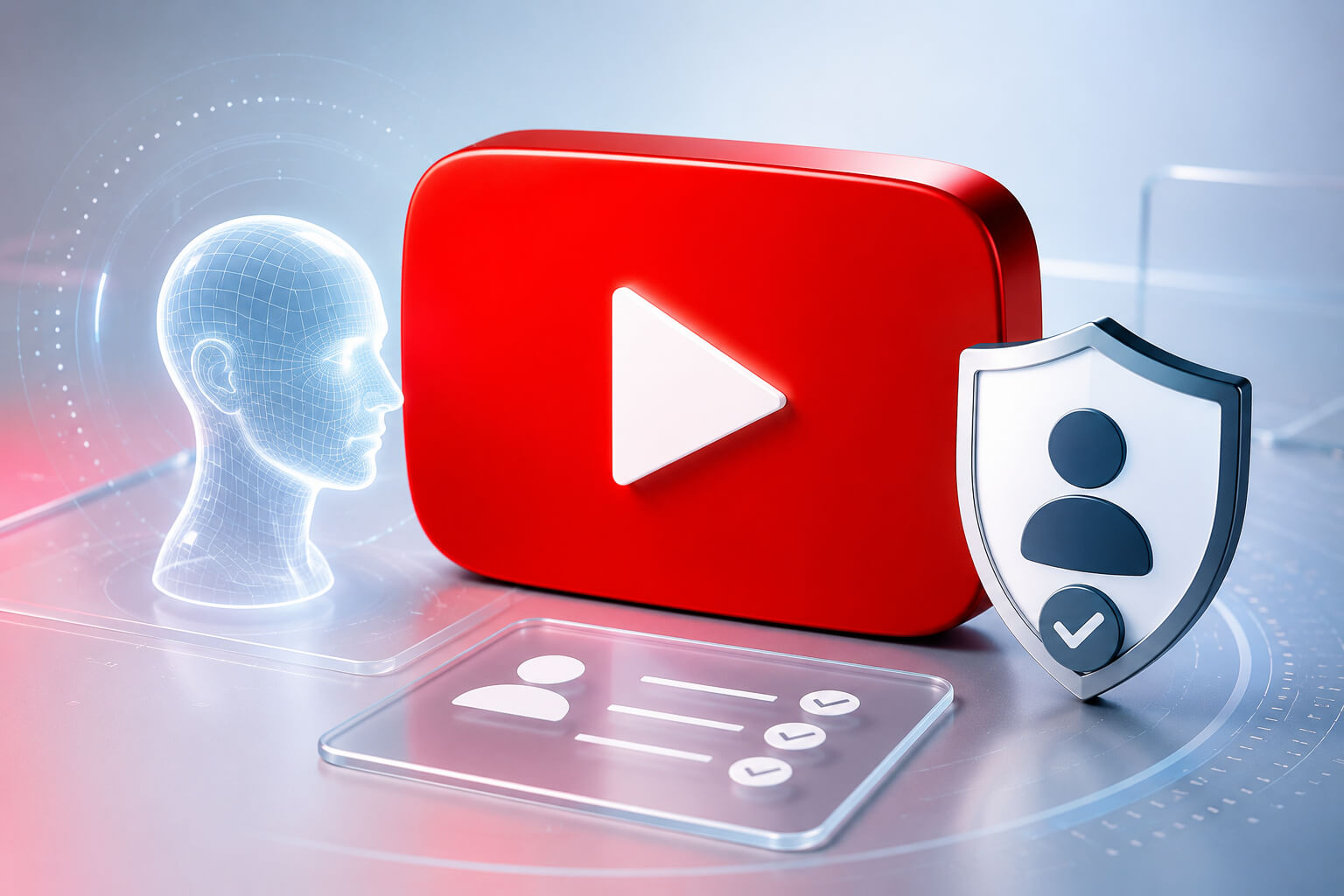
YouTube is making its AI likeness rules a little easier to navigate, particularly for creators who suddenly find a claim attached to one of their videos.
The platform has updated how it handles AI likeness claims, bringing copyright and AI-related restrictions into a more unified system while giving creators clearer ways to challenge claims they believe are wrong.
The change matters because YouTube’s likeness detection technology can identify potentially unauthorized AI-generated versions of a person’s face or voice. That creates protection for individuals, but it also creates a new headache: creators need a practical way to respond when the system—or the person filing the claim—gets it wrong.
YouTube Is Replacing the Copyright Tab With a Broader ‘Claims’ Tab
One of the most visible changes is surprisingly simple.
YouTube is renaming the Copyright section within video details to Claims. Instead of keeping different types of restrictions scattered across separate areas, Content ID copyright claims and privacy-based AI likeness claims can now appear within the same broader section.
For creators, this should mean less digging around YouTube Studio trying to figure out exactly why a video has been flagged.
More importantly, the Claims tab is designed to explain the reason behind the notice and provide a clearer route for dealing with it. As AI-generated video becomes increasingly normal on YouTube, that distinction is going to matter more than it did even a year ago.
Creators Get Four Ways to Challenge AI Likeness Claims
This is the bigger part of the update.
YouTube has introduced a more structured response process for creators who disagree with an AI likeness claim. Rather than leaving creators with a vague dispute option, the platform now provides four specific grounds for challenging one.
Creators can argue that they had explicit consent to use the person’s face or voice. They can also point to parody, satire or public-interest use, particularly where the depiction has been transformed for comedy, criticism or newsworthy discussion.
Another option covers videos that simply weren’t altered or generated with AI. And then there’s perhaps the most straightforward response of all: the person or material identified in the claim doesn’t actually appear in the video.
That doesn’t guarantee a claim disappears. It does make the response process much less ambiguous.
AI Likeness Detection Is Becoming a Bigger Part of YouTube
This update didn’t appear out of nowhere.
YouTube expanded its likeness detection system to users over 18 in May 2026. The technology allows people to provide an image of themselves so YouTube can look for potentially unauthorized depictions of their likeness in newly uploaded videos.
It’s part of a wider push around synthetic media.
YouTube has also changed how it labels realistic AI-generated and meaningfully altered content. In May, the company announced more prominent AI labels and said it was introducing internal detection signals capable of automatically applying disclosures in some cases when significant photorealistic AI use is detected.
Put the pieces together and YouTube’s direction is pretty obvious. AI isn’t being treated as an unusual edge case anymore. It’s becoming part of the platform’s everyday moderation infrastructure.
An AI Likeness Claim Won’t Automatically Damage a Channel
There’s an important distinction for creators worried about strikes.
YouTube says likeness claims do not generate copyright strikes or Community Guidelines strikes. However, YouTube can still restrict or block a video from public viewing after a valid likeness claim, so the consequences are not meaningless.
Still, the claim itself will not damage the creator’s overall channel standing, health, or feature access.
That differs from YouTube’s traditional copyright removal process. When YouTube processes a valid copyright takedown request, it can remove the allegedly infringing content and apply a copyright strike to the uploader’s channel.
The difference is worth understanding. An AI likeness dispute and a copyright takedown may now sit under the broader Claims interface, but they’re not the same enforcement mechanism.
Why YouTube’s AI Claims Update Matters
AI video tools are getting better at generating recognizable people, voices and scenes. That makes likeness protection necessary. It also makes false positives, disputed consent and questions around parody or commentary almost inevitable.
YouTube needs both sides of that system.
People whose identities are replicated without permission need a practical removal mechanism. Creators also need a way to say, “No, this claim doesn’t apply here,” without wandering through a generic appeal process.
The new Claims system won’t settle every argument around AI-generated likenesses. Far from it. But giving creators defined reasons to dispute a claim is a useful move as synthetic media becomes harder to distinguish from conventional footage.
For YouTube, the tricky part comes next: making sure the system can protect people from convincing AI impersonations without turning legitimate commentary, satire and creative work into collateral damage.
Sources
- Social Media Today — YouTube Simplifies Its AI Claims Process
- YouTube Blog — Improving AI Labels for Viewers and Creators
- YouTube Help — About Copyright Removal Requests
- YouTube Help — Submit a Copyright Removal Request
