
LinkedIn is offering new guidance for B2B marketers looking to make product launches more effective, with a focus on building buyer confidence before, during, and after a campaign goes live. If you’re planning a launch, developing a solid LinkedIn B2B product launch strategy can make all the difference.
The guidance comes from Robert Yanik, LinkedIn’s product marketing and go-to-market leader, who says many B2B brands rely too heavily on the launch-day announcement itself. Instead, LinkedIn recommends a more sustained approach that builds trust over time through credible voices, repeated exposure, and post-launch follow-up.
Why B2B Launches Need More Than a Single Announcement
According to LinkedIn’s guidance, B2B buyers are less likely to act simply because a company publishes a press release or announces a new product. They respond to trust signals from sources they already view as credible, including peers, executives, employees, and recognized industry creators.
Yanik noted that individual trust signals may have limited impact on their own, but a coordinated mix of voices can help shape market perception. LinkedIn also cited that 87% of B2B buyers rely on trusted industry creator content to validate their choices.
For marketers, the key takeaway is clear: product launches should not start on launch day. They should begin weeks earlier with awareness-building content and continue after the announcement with retargeting and lead-nurturing campaigns.
LinkedIn’s 3-Step B2B Product Launch Framework
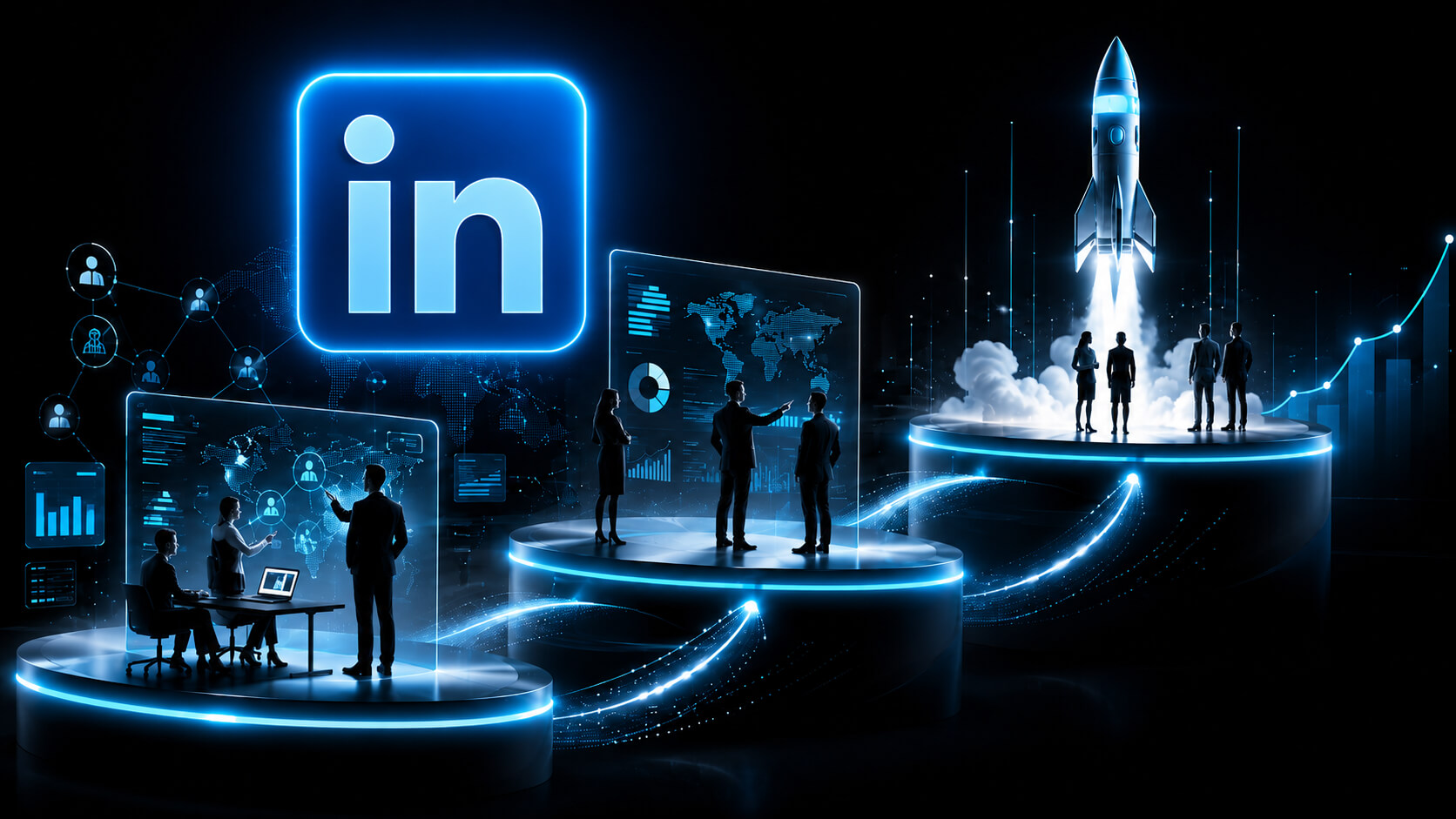
LinkedIn’s recommended approach is built around three phases: Ramp, Launch, and Nurture. Each stage is designed to support a different part of the buyer journey.
1. Ramp: Build Authority Before the Product Launch
The first stage, called Ramp, focuses on creating awareness before the official announcement. LinkedIn says brands should begin promoting their message weeks in advance to establish credibility and prepare the market.
This can include sponsored posts, executive content, creator partnerships, and educational content that highlights the problem the product solves. Yanik emphasized that brands cannot build authority on launch day alone; they need to earn attention earlier.
LinkedIn also highlighted the role of video in this phase, saying video content can generate three times higher engagement than static posts, while members exposed to video are 1.6 times more likely to take action later.
2. Launch: Maximize Reach With High-Impact Placements
The second phase is the actual Launch stage. This is where brands should focus on visibility, reach, and message reinforcement.
LinkedIn recommends using high-impact placements such as Premiere video ads, connected TV promotions, and Thought Leader Ads to reach the right audience and build credibility. The platform also encourages companies to involve employees in sharing brand messages, since employee networks can significantly expand organic reach.
According to LinkedIn, employee networks are 12 times larger than company page networks, making internal advocacy a valuable part of launch distribution.
This approach turns a product announcement into a broader market conversation rather than a one-time corporate update.
3. Nurture: Keep Engaging Interested Buyers
The final stage, Nurture, is focused on keeping the conversation going after the initial launch activity.
LinkedIn recommends using re-engagement targeting to reach people who interacted with launch content. This helps marketers continue building awareness among warm audiences and move potential buyers closer to consideration.
Yanik said persistent visibility can drive a 30% lift in overall campaign performance. LinkedIn also suggests formats such as Document Ads and Sponsored Messaging to reinforce the product message and continue educating prospects after launch.
What This Means for B2B Marketers
LinkedIn’s latest advice reflects a broader shift in B2B marketing: buyers need repeated, credible signals before making decisions. A single announcement may create a short-term spike in attention, but it is unlikely to generate lasting influence on its own.
For brands planning a B2B product launch, the better strategy is to treat the launch as a full campaign journey. That means building authority before the announcement, maximizing trusted visibility during launch week, and nurturing interested audiences afterward.
In short, LinkedIn’s B2B product launch strategy is not just about promotion. It is about creating confidence, credibility, and consistent visibility across the entire buying process.
