

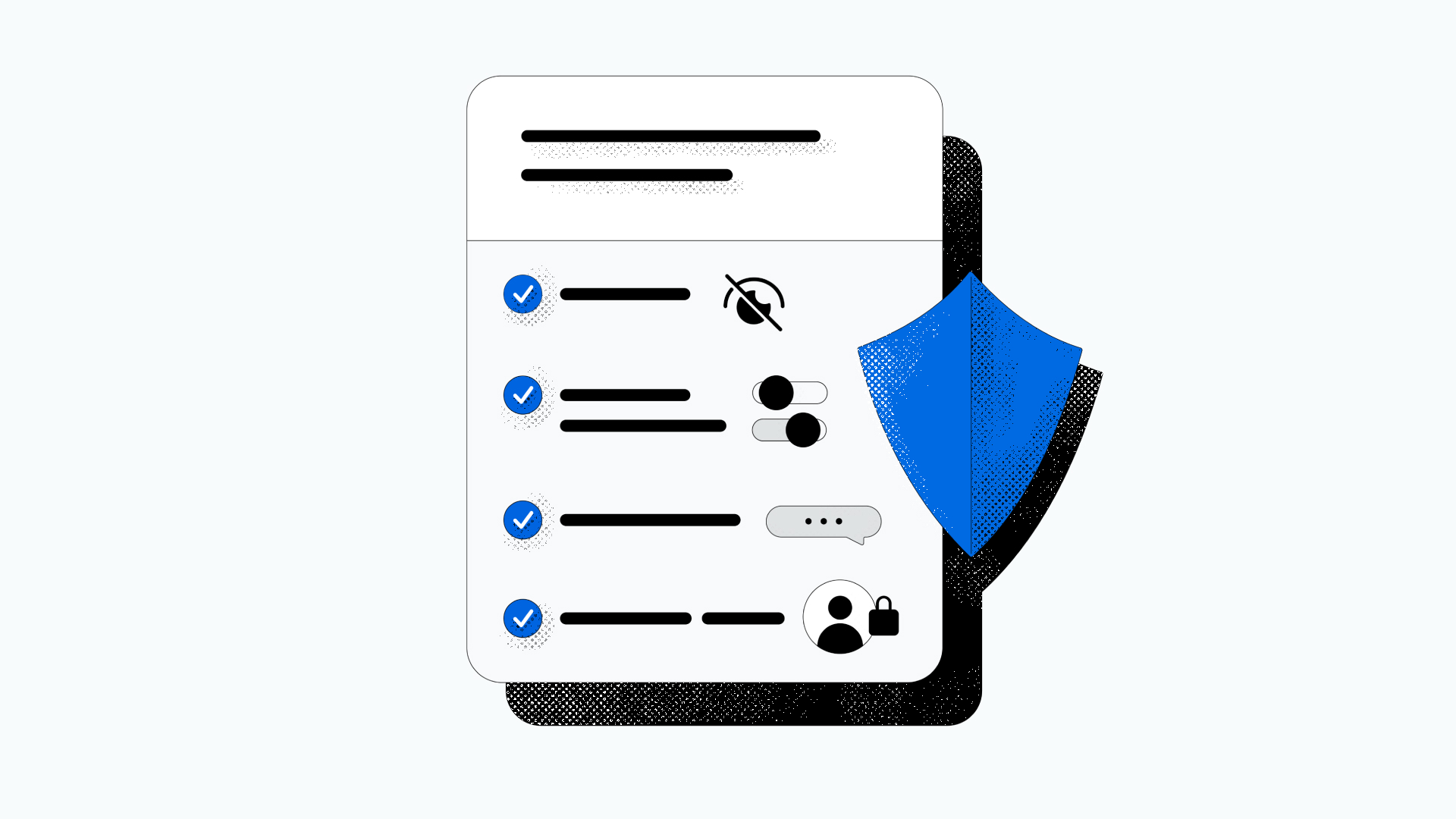
Key Takeaways
- Meta focuses on improving safety for teens by developing protective measures across its platforms like Instagram and Facebook.
- The company implements regular updates to teen safety policies based on research and family feedback, addressing evolving online risks.
- Safety features include suicide prevention resources, content restrictions, and expanded privacy settings for teen accounts.
- Meta’s AI systems incorporate safeguards to limit harmful interactions and topics such as self-harm and eating disorders.
- Parental tools support oversight while respecting teen privacy, reinforcing Meta’s commitment to protecting teens.
Meta has shared an update detailing its long-running efforts to improve safety for teens across its platforms. The company described how protections have been developed over time to support younger users while also giving parents more oversight tools. These ongoing changes highlight the focus on Meta protecting teens through new policies and features. As a result, the topic is becoming ever more central to their communications. These measures apply to Instagram, Facebook, Messenger, and newer AI-powered features.
Meta said its approach is shaped by research, expert input, and ongoing feedback from families. The company noted that teen safety policies are regularly updated as online risks change. Many safeguards are applied by default to reduce exposure to harmful content and unwanted interactions.
Safety features developed over time for Meta Protecting Teens
Meta highlighted several tools it introduced over the past decade to improve teen safety. In 2017, the company launched suicide prevention resources that actively connect users to support services when they search for or interact with self-harm related content. Meta later added prompts and educational materials to guide users toward help, keeping teen protection as a central priority.
In 2020, Meta set limits on messaging between adults and teens who do not follow each other. The company also expanded default privacy settings for younger users, including private accounts in certain regions. Meta developed reporting systems that allow schools and educators to flag serious safety concerns more quickly. Throughout these updates, protecting teens remained a guiding focus behind each product decision.
Teen Accounts and content restrictions
Meta introduced Teen Accounts on Instagram in 2024 and expanded them to Facebook and Messenger in 2025. These accounts include built-in limits on messaging, content discovery, and interactions with unknown users, all as part of a broader push for protecting teens by Meta.
The company said its systems reduce exposure to sensitive content by default. Parents must approve changes to certain settings. Meta designed these controls to support teen safety by reflecting age-appropriate standards while allowing teens to use social platforms more safely.
Parental tools and AI safeguards for Meta Protecting Teens
Meta also addressed how teen safety applies to artificial intelligence features. The company said AI systems include safeguards that restrict responses related to self-harm, eating disorders, and other sensitive topics. These features are part of Meta’s overall actions aimed at protecting teens on their platforms, and are designed to apply automatically.
Meta added that it continues to develop tools to help parents understand how teens interact with digital features, including AI, while maintaining privacy protections. Ultimately, the conversation about Meta protecting teens continues to guide its safety strategy, which combines default protections, parental involvement, and ongoing product updates.
