
Key Takeaways
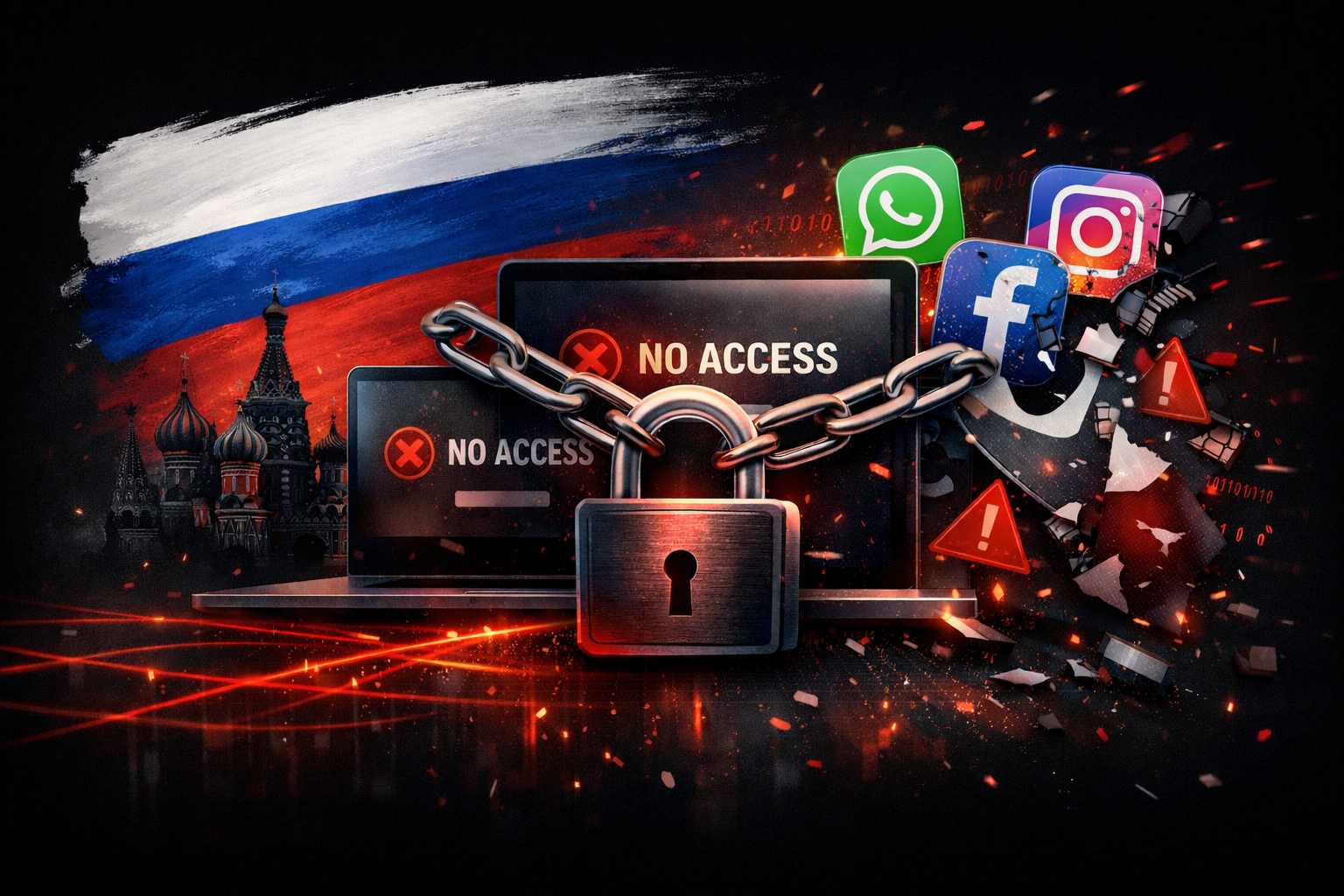
- Russia has blocked WhatsApp, Facebook, and Instagram following regulations from media regulator Roskomnadzor, effective February 12, 2026.
- Authorities removed these platforms from the national registry, and millions of users experienced immediate access issues.
- WhatsApp was restricted after earlier action labeled Facebook and Instagram as extremist; the restriction is part of ongoing compliance for foreign tech firms.
- Users now face service blocks and many resort to VPNs to access these platforms, but VPN accessibility varies.
- Russian officials promote domestic alternatives, boosting a state-supported app called Max, while other foreign platforms like Telegram and YouTube have also faced restrictions.
Russia blocks WhatsApp, Facebook and Instagram across the country after a decision by media regulator Roskomnadzor. The action took effect on February 12, 2026. The restriction prevents standard access to the Meta-owned platforms for users inside Russia.
Authorities removed the services from the national registry of approved internet resources. As a result, Russian internet providers began restricting connectivity. Millions of residents were affected immediately.
Regulatory Action and Legal Basis
Roskomnadzor stated that the platforms did not comply with Russian legal requirements. Facebook and Instagram had previously been labeled extremist organizations in Russia. Those earlier rulings limited their operation within the country.
WhatsApp had continued functioning despite restrictions on other Meta services. The latest measure extends enforcement to the messaging app. Officials described the move as part of ongoing compliance oversight of foreign technology companies.
Access Restrictions and User Impact
Users attempting to open the platforms now encounter service blocks. Many are turning to virtual private networks to bypass restrictions. VPNs route internet traffic through foreign servers to restore access. However, VPN services are not widely accessible to all users.
The platforms were used for personal communication, media sharing, and business outreach. Companies and content creators that depended on these services face disruption.
Shift Toward Domestic Platforms
Russian authorities have promoted domestic alternatives to foreign social media services. A state-supported messaging app called Max has received increased visibility. Some locally approved software is required to be pre-installed on devices sold in Russia.
The restrictions follow previous limitations placed on other foreign platforms. Telegram, Snapchat, and YouTube have also faced regulatory measures in past years.
The latest action further narrows access to international social networks within Russia.
Source: https://www.socialmediatoday.com/news/russia-blocks-whatsapp-facebook-and-instagram-access/812128/
