

Key Takeaways
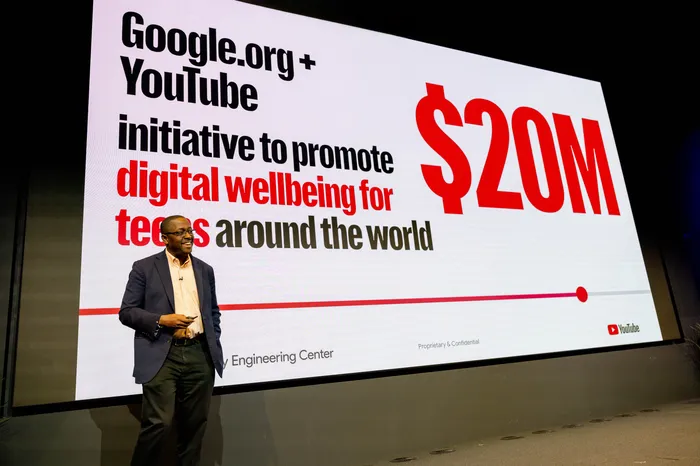
- YouTube invests $20 million in its digital literacy program aimed at improving digital skills among teenagers.
- The program will help teens recognize misinformation, evaluate sources, and understand how online algorithms work.
- It includes a curriculum with 11 lessons that teach students to verify online claims and identify manipulated media.
- Partnerships with media literacy organizations will adapt the content for various countries and education systems.
- The initiative enhances teenagers’ critical thinking and media literacy, integrating resources into existing school curricula.
The YouTube digital literacy program is receiving a major financial commitment from the company. YouTube has allocated $20 million to support education initiatives designed to improve digital literacy among teenagers. The program focuses on helping young people understand how online information works. It also aims to teach teens how to identify reliable sources and evaluate digital content. The funding will support nonprofit organizations and education partners that develop learning materials and training programs. These resources will help teenagers build critical thinking skills when using online platforms.
YouTube Digital Literacy Program Funding
YouTube announced that the $20 million investment will support global digital literacy initiatives for young audiences. The funding will be distributed to nonprofit groups and organizations that specialize in media education. These groups will create programs that explain how digital media platforms operate.
The resources will focus on helping teenagers recognize misinformation and misleading content online. Educational materials will also teach students how algorithms influence what users see on digital platforms. The goal is to give teens practical tools to analyze online information.
The program will be implemented through partnerships with organizations that already work in digital education. These partners will develop lessons and classroom materials designed specifically for teenagers.
Educational Content in the YouTube Digital Literacy Program
The YouTube digital literacy program expands on existing media literacy initiatives supported by the platform. One example is the “Hit Pause” media literacy curriculum created with the Poynter Institute’s MediaWise project.
The curriculum includes 11 structured lessons designed for classroom environments. Each lesson typically lasts 30 to 45 minutes. The course teaches students how to check online claims, evaluate sources, and identify manipulated media.
Students also learn how to verify the origin of digital content. Lessons explain how online images, videos, and posts can be edited or taken out of context. The curriculum provides step-by-step guidance on verifying information before sharing it.
Several media literacy organizations contributed to the development of these learning materials. Contributors include MediaSmarts, Mythos Labs, and Parent Zone. Their participation allows the lessons to be adapted for different countries and education systems.
Goals of the YouTube Digital Literacy Program
The YouTube digital literacy program focuses on helping teenagers navigate digital environments more effectively. Many young people use online video platforms to learn about news, education, and current events. Research shows that teenagers frequently rely on online content to gather information.
The program aims to teach students how to distinguish factual information from misleading or false claims. Lessons highlight the importance of verifying sources before accepting or sharing online material.
Teachers and schools will be able to integrate the program’s resources into their existing curriculum. Some materials will also be available for parents and youth organizations.
Through the $20 million investment, YouTube plans to expand access to media literacy education worldwide. The initiative will provide structured lessons and training tools that help teenagers understand how digital media operates and how information spreads online.
Source: https://blog.youtube/news-and-events/google-youtube-funding-digital-wellbeing-summit/
